












Illicit Trade: The Growing Threat of Counterfeiting and Grey Markets
Part 1: Understanding the growing demand for brand protection solutions

Summary
Counterfeiting and grey market activity are driving brands to rethink how they protect products, consumers, and distribution channels. In this first chapter of the Digital Fingerprint Series, we explore these challenges and introduce available technologies to understand how and whether they effectively address both anti-counterfeiting and anti-diversion requirements.
Welcome to Part I of the Digital Fingerprint Series, a series exploring the challenges, technologies, and strategies shaping modern brand protection and, more specifically, the role of Digital Fingerprint technology. Before exploring how it works, where it creates value, how leading brands are using it, and where the technology is headed next, it is worth stepping back to understand the challenges that drove its development in the first place.
The growing adoption of brand protection technologies is not driven by technology alone. It is driven by a reality that brands across virtually every industry now face: increasingly sophisticated counterfeiting operations, expanding grey market activity, and growing pressure to maintain consumer trust.
To understand why brand protection has become a strategic priority, we first need to understand the scale of the problem.
Counterfeiting
Counterfeiting is still widely thought of as a luxury goods problem: fake handbags and watches. However, the numbers tell a different story.
According to the OECD’s latest study, global trade in counterfeit goods reached an estimated $467 billion in 2021, representing roughly 2.3% of world trade1. Clothing, footwear, and leather goods account for the largest share of goods seized by customs authorities, but the same report highlights a broader trend: counterfeiters are increasingly targeting categories that touch consumers’ everyday lives, including pharmaceuticals, perfumery & cosmetics, automative parts, and food.
A counterfeit automotive component or medicine can have far-reaching consequences, potentially putting consumer health and safety at risk. According to the United Nations Office on Drugs and Crime (UNODC), an estimated 500,000 deaths each year in sub-Saharan Africa are linked to fake medicines, including falsified and substandard antimalarial and antibiotics.2 Similar concerns exist within the cosmetics sector, where counterfeit products often bypass safety testing and regulatory controls.
The scale of the problem
For brands, the consequences extend well beyond lost revenue. Counterfeiting can generate significant costs through investigations, customs seizures, legal action, product recalls, and customer support efforts. Perhaps most damaging of all is the reputational impact when consumers unknowingly associate a poor-quality counterfeit product with the genuine brand.
Product Diversion and Grey Markets
While counterfeiting often captures the headlines, many brands face another equally costly challenge that receives far less attention: product diversion, commonly known as grey market activity.
Unlike counterfeit products, diverted goods are genuine. The issue is not authenticity, but authorisation.
Products intended for a specific market, distributor, retailer, or pricing strategy are redirected and sold through channels the brand never approved.
Luxury goods, spirits, and perfumes & cosmetics are particularly vulnerable to grey market activity. High margins, global demand, and significant price differences between markets create powerful incentives for unauthorised redistribution.
The consequences can be substantial.
Grey market activity undermines designed pricing strategies and forces authorised distributors to compete against sellers that operate outside agreed distribution frameworks. It can compromise product quality when goods are stored or transported in conditions that fail to meet brand requirements, particularly for temperature- or shelf life-sensitive products such as cosmetics and pharmaceuticals.
It may also strain relationships with retail and distribution partners that rely on territorial exclusivity or channel protections. Over time, brands lose visibility and control over where, how, and under what conditions their products reach consumers.
Different threats. Similar consequences: revenue loss, reputational damage, and legal exposure.
How Brands Fight Back
To address these threats, brands typically rely on two complementary approaches.
The first is legal. Trademark enforcement, distribution agreements, customs recordation programmes, and litigation all play important roles in protecting intellectual property and maintaining channel control. However, these measures tend to be reactive, coming into play only after a counterfeit or diverted product has already been identified.
The second approach is technological, and this is where investment has accelerated significantly in recent years.
Brand protection technologies help organisations authenticate products, identify suspicious items, and trace products back to their origin across increasingly complex global supply chains, providing greater visibility and control throughout the product journey.
A wide range of technologies exists today:
Serialisation and product marking
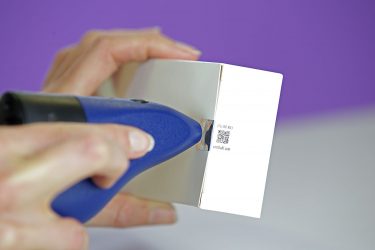
The assignment of a unique identifier, such as a QR code or Data Matrix code, to each product, enabling tracking and verification throughout the supply chain.
Security inks & taggants
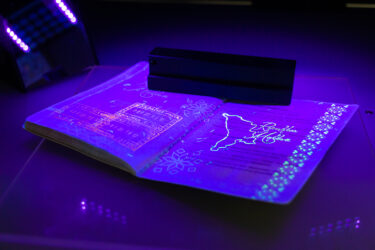
Chemical or physical markers that create forensic signatures that are extremely difficult to replicate.
Visible security features
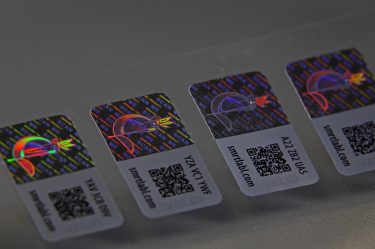
Holograms, OVI, and other security markers that provide visual reassurance to end users while making products more difficult for counterfeiters to reproduce.
Digital patterns
And lastly, the digital fingerprint
Each technology addresses specific challenges, with different strengths, limitations, and implementation requirements. Some are designed primarily to support product authentication. Others focus on traceability and supply chain visibility.
While each technology plays an important role within a brand protection strategy, most are designed to address only part of the problem. Counterfeiting and grey market diversion are distinct challenges, and few solutions can effectively tackle both at the same time.


This is where Digital Fingerprint technology stands apart, with this ability to support both product authentication and traceability through a single solution, helping brands combat counterfeit products while also supporting product diversion detection.
In the next chapter of this series, we will take a closer look at today’s brand protection solutions landscape, explore their respective strengths and limitations, and examine why Digital Fingerprints are uniquely positioned to address both counterfeiting and grey market activity simultaneously.
What’s Next
Understanding the problem is the first step toward understanding the solutions.
As counterfeiters become more sophisticated and global distribution networks grow increasingly complex, protecting products has become about far more than stopping fake goods. Brands must safeguard revenue, preserve channel integrity, protect consumers, and maintain trust across every market they serve.
This growing set of challenges is one of the key reasons investments in brand protection technologies continues to accelerate across industries.
In the next chapter of the Digital Fingerprint Series, we will compare the main product authentication and traceability technologies used today, explain why many do not address both counterfeiting and grey market diversion simultaneously, and explore how Digital Fingerprints close that gap.
Contact us