









Summary

Most brand protection solutions address either counterfeiting or grey markets activity. This article explains how Digital Fingerprint technology takes a different approach by using the unique microscopic characteristics of products and packaging to support both authentication and traceability, helping brands strengthen protection across the entire supply chain.

In Part I of this series, we explored the growing impact of counterfeit products and grey market diversion on brands worldwide. We also reviewed the broad range of brand protection technologies available today and highlighted an important challenge: most solutions are designed to address either product authentication or product traceability, but rarely both.

In this second chapter, we take a closer look at the strengths and limitations of traditional security features and explain why Digital Fingerprint technology offers a different approach, helping brands address both counterfeiting and diversion within a single solution.

Understanding the Two Pillars of Brand Protection

Although illicit trade takes many forms, most brand protection strategies rely on two complementary capabilities: authentication and traceability.

Authentication

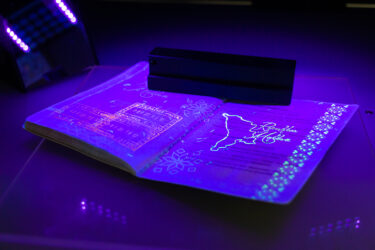
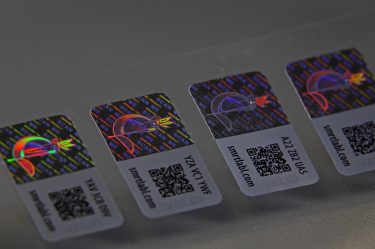
Authentication technologies help determine whether a product is genuine or counterfeit. They typically rely on security features that enable brand owners and consumers to verify a product’s authenticity. While effective for detecting counterfeit goods, these solutions generally do not provide a product’s information, such as its history, origin, or intended destination.

Objective: Identifying Genuine Products

Traceability

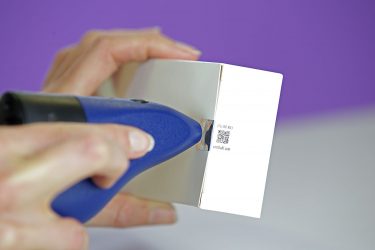
Traceability solutions assign a unique digital identity to each product, typically through serialised QR codes, DataMatrix or even 1D barcodes in some industries still. This identity enables products to be tracked as they move through manufacturing, distribution, until the final retailers. By monitoring where each item should and should not appear, brands can detect grey market activity, identify distribution anomalies, and improve supply chain visibility.

Objective: Following Products Through the Supply Chain

While both capabilities are valuable, they often operate independently, creating gaps in protection.

The Brand Protection Landscape

Over the years, brands have adopted various technologies to strengthen protection against illicit trade. Each provides specific advantages, but most remain focused on either authentication or traceability.

Digital Fingerprint

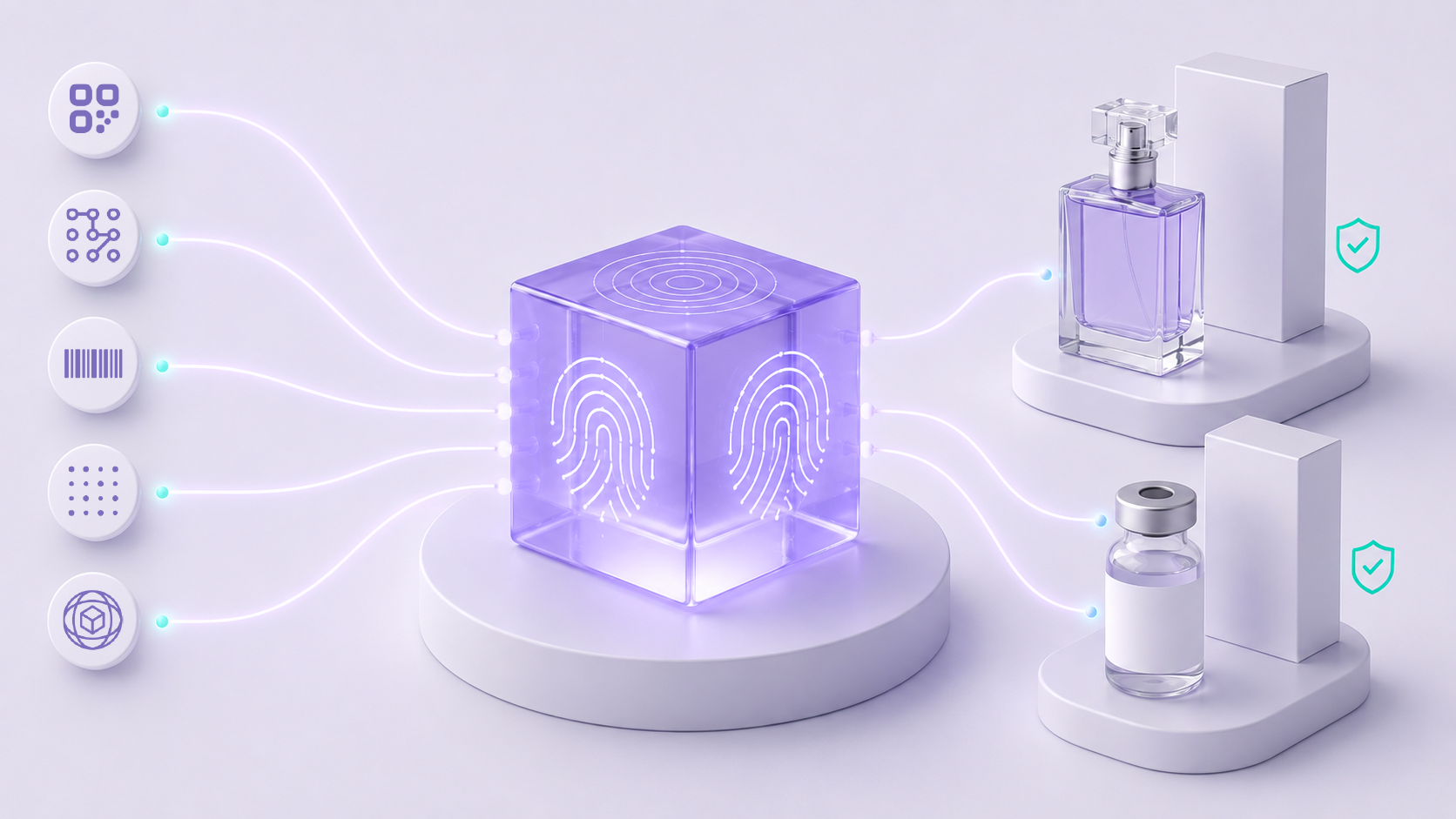
Digital Fingerprint technology approaches authentication differently. Instead of relying on an added security feature, it captures and digitises the unique microscopic characteristics naturally present on a product or its packaging. These random physical characteristics form a unique signature that cannot be intentionally reproduced, copied, or separated from the item. Because this identifier is intrinsically linked to the product itself, it can serve both as an authentication mechanism and as a trusted anchor for traceability systems. As a result, brands can verify whether a product is genuine while also tracking its legitimate distribution journey.

Why EDGYN's Digital Fingerprint Stands Apart

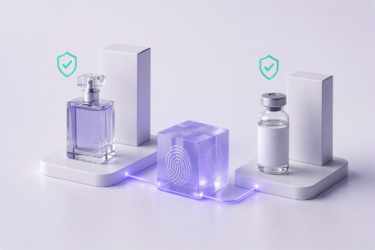
Digital Fingerprint technology introduces a new category of product authentication: one that leverages the product’s own physical characteristics rather than relying on additional security features.

More than two decades ago, EDGYN pioneered the industrial application of Digital Fingerprint technology, transforming it into a patented, scalable solution designed for modern brand protection programmes. Today, the technology is deployed across multiple products, industries, and markets worldwide, helping brands strengthen authentication, traceability, and supply chain visibility.

Far beyond a concept, EDGYN’s Digital Fingerprint is a proven, field-deployable solution operating at scale and supporting brand protection initiatives around the globe.


Years
0 +
Brands protected
0 +
Products protected every year
0 M+

Patented technology

Authentication Without Altering the Product

EDGYN's solution uses microscopic features that already exist on the product or packaging.

No additional labels, inks, markers, or materials are required, enabling authentication without impacting product design, production processes, or consumer experience.

A Fingerprint That Cannot Be Reproduced

EDGYN's solution uses microscopic features that already exist on the product or packaging. Traditional security features are applied to the product. A Digital Fingerprint is derived from the product itself.

By capturing the unique microscopic characteristics naturally present on each product or packaging, EDGYN’s solution creates an identity that is intrinsically linked to the product. Because these characteristics are random and unique, they cannot be intentionally recreated, reproduced, or transferred to another item.

As a result, the Digital Fingerprint cannot be copied or cloned, making it fundamentally resistant to counterfeiting and providing a highly reliable foundation for product authentication.No additional labels, inks, markers, or materials are required, enabling authentication without impacting product design, production processes, or consumer experience.

Stronger Confidence in Product Authentication

Each captured fingerprint can be compared against an authorised database of registered products. If no matching identity exists, investigators gain strong evidence that the item originated outside authorised production channels, providing a higher level of confidence when identifying suspicious products.

Authentication and Traceability Working Together

One of the most powerful aspects of Digital Fingerprint technology is its ability to bridge authentication and traceability.

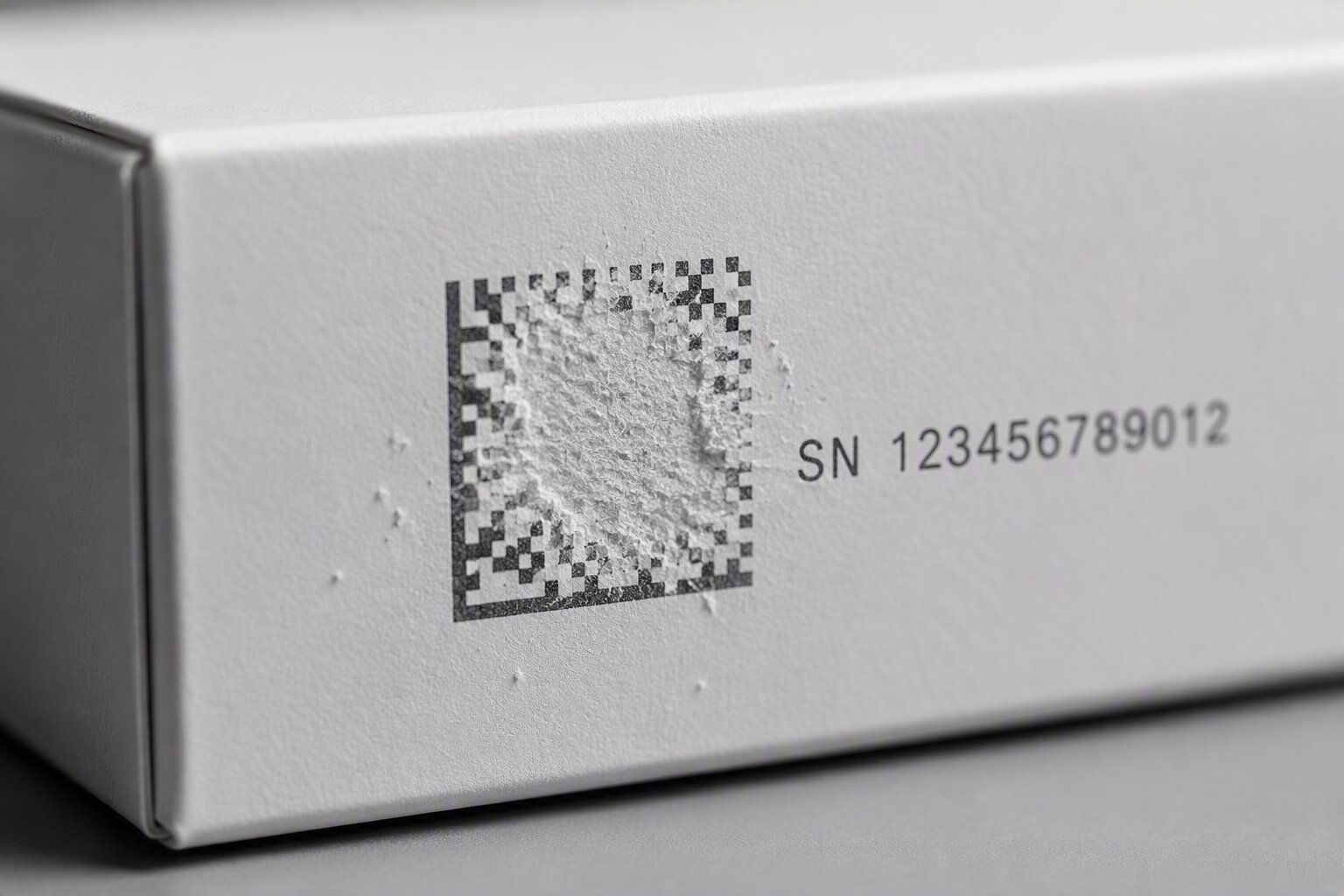
The fingerprint can be linked to serialisation data, product information, intended markets, or distribution records. Even when a printed code has been copied, damaged, or removed, the product's unique fingerprint remains available to recover and verify its identity. This enables brands to strengthen both anti-counterfeiting and anti-diversion efforts using a single product-linked identifier.

Easy Authentication via Smartphone

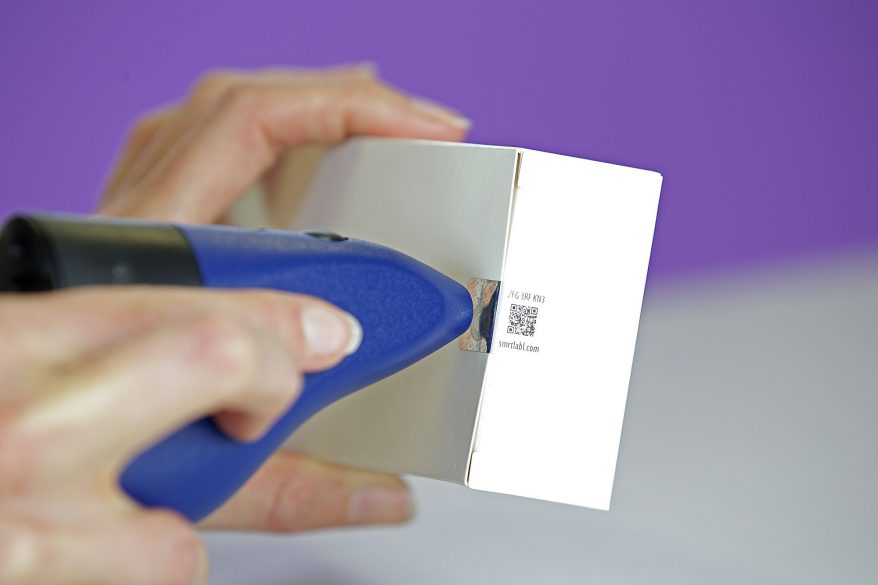
Many advanced authentication technologies depend on proprietary readers or laboratory analysis. EDGYN's Digital Fingerprint can be verified using a standard smartphone, allowing field teams, investigators, distributors, retailers, and brand protection personnel to authenticate products quickly and efficiently. This reduces deployment complexity while extending verification capabilities throughout the supply chain.
Conclusion

Counterfeiting and grey market diversion are often treated as separate challenges, requiring different technologies and operational processes to address each risk.

Traditional security features remain valuable tools within a broader brand protection strategy. However, most solutions focus primarily on authentication or traceability rather than both.

Digital Fingerprint technology introduces a different model. By using the unique physical characteristics already present on a product or its packaging, it creates an identity that is inherently tied to the item itself. When combined with traceability data, this identity enables brands to verify authenticity, investigate suspicious products, detect diversion, and strengthen visibility across the supply chain.

In the next chapter of this series, we’ll move from theory to practice and explore how brands are deploying Digital Fingerprint technology in the field to identify illicit activity and gain greater control over their distribution networks.

Contact us

Discover how EDGYN's Digital Fingerprint helps brands verify authenticity and detect diversion across global supply chains.