







3 Forces Redefining the Future of the Beauty Industry
An interview with Camille Diss, EDGYN’s Head of Product and Business Development

The beauty industry is entering a new chapter that is defined by transparency, accountability, and digital transformation. As consumer expectations rise and regulatory frameworks evolve worldwide, brands are being challenged to rethink how they communicate, protect, and differentiate their products.
At the center of this transformation lies packaging as a strategic digital interface. In this interview, Camille Diss shares 3 key forces shaping the future of the beauty industry: 1. the growing demand for transparency driven by sustainability and regulation, 2. the rise of GS1 2D barcodes as a global standard, and 3. the shift toward connected packaging as a powerful channel for trust, compliance, and engagement.
How would you describe the current moment the beauty industry is going through?

Camille Diss
The beauty industry is clearly at a turning point. Consumers are more informed than ever, and they expect brands to be transparent about what they sell, how products are made, and what impact they have, both on people and on the environment.
At the same time, regulations are raising the bar. New policies are pushing brands to provide verified, accessible, and standardized product information. This double pressure, from consumers on one side and regulators on the other, is reshaping how beauty brands operate, communicate, and innovate.
Your first key trend highlights transparency, sustainability, and regulation. Why are these now inseparable?

Camille Diss
Because transparency has become the foundation of trust. Sustainability claims alone are no longer enough: consumers want to understand the reality behind them. They want to know what ingredients are used, where they come from, how safe they are, and what happens to the packaging after use.
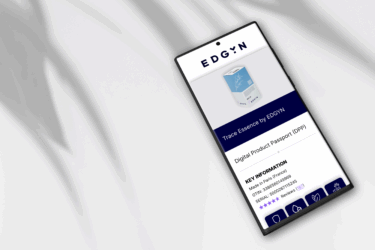
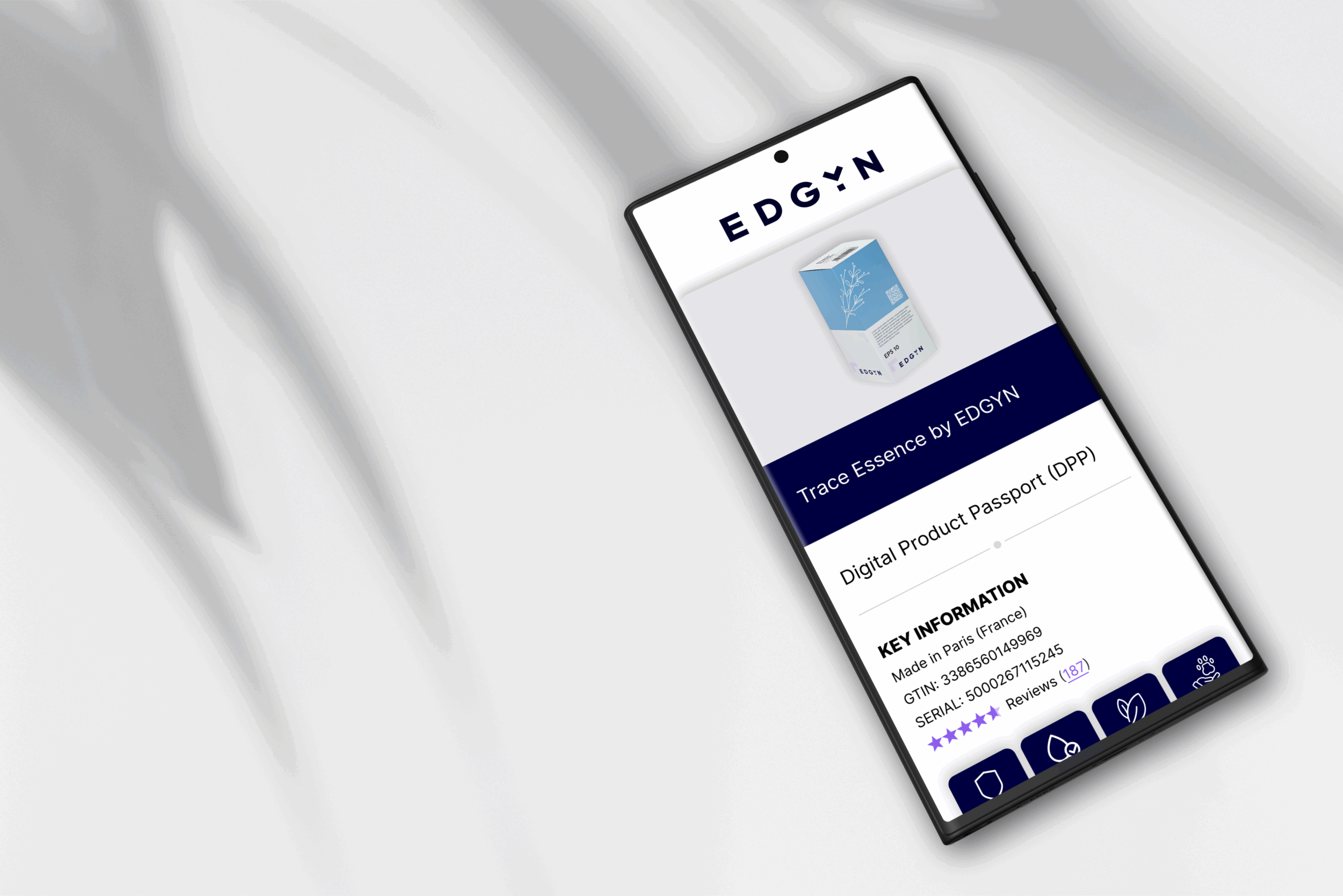
Regulatory initiatives such as the Digital Product Passport (DPP) illustrate this shift very clearly. These frameworks aim to centralize verified information on ingredients, sourcing, environmental impact, and recyclability. Similar movements are emerging in China, the United States, and other major markets.
For beauty brands, this means information must be accurate, verifiable, and easy to access. Transparency is now becoming a regulatory and reputational requirement.
How does this impact the way beauty brands approach packaging?

Camille Diss
Packaging has always been a communication tool, but today its role is expanding dramatically. With tightening regulations and rising consumer scrutiny, packaging must act as a reliable gateway to verified product information.
One of the key challenges brands face is that packaging space is limited, while information needs keep growing. Many products end up carrying multiple barcodes or QR codes for different use cases, logistics, marketing, traceability, or digital engagement, which adds visual clutter and operational complexity.
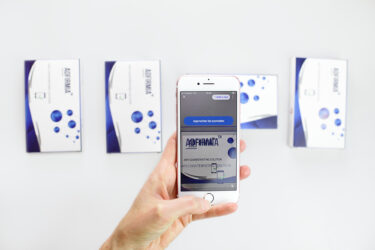
Digital approaches, and in particular connected packaging built around GS1 2D barcodes, allow brands to rethink this model. Instead of multiplying codes, brands can rely on a single, unified code that serves multiple purposes at once. This simplifies pack design, optimizes available space, and reduces constraints for creative teams, while still enabling richer information, traceability, and digital interaction.
When implemented well, packaging becomes a bridge between physical products and digital trust: clearer, more efficient, and future‑ready – supporting brand credibility while making packaging more optimized and connected.
The second trend you highlight is the rise of GS1 2D barcodes. Why are they so transformational?

Camille Diss
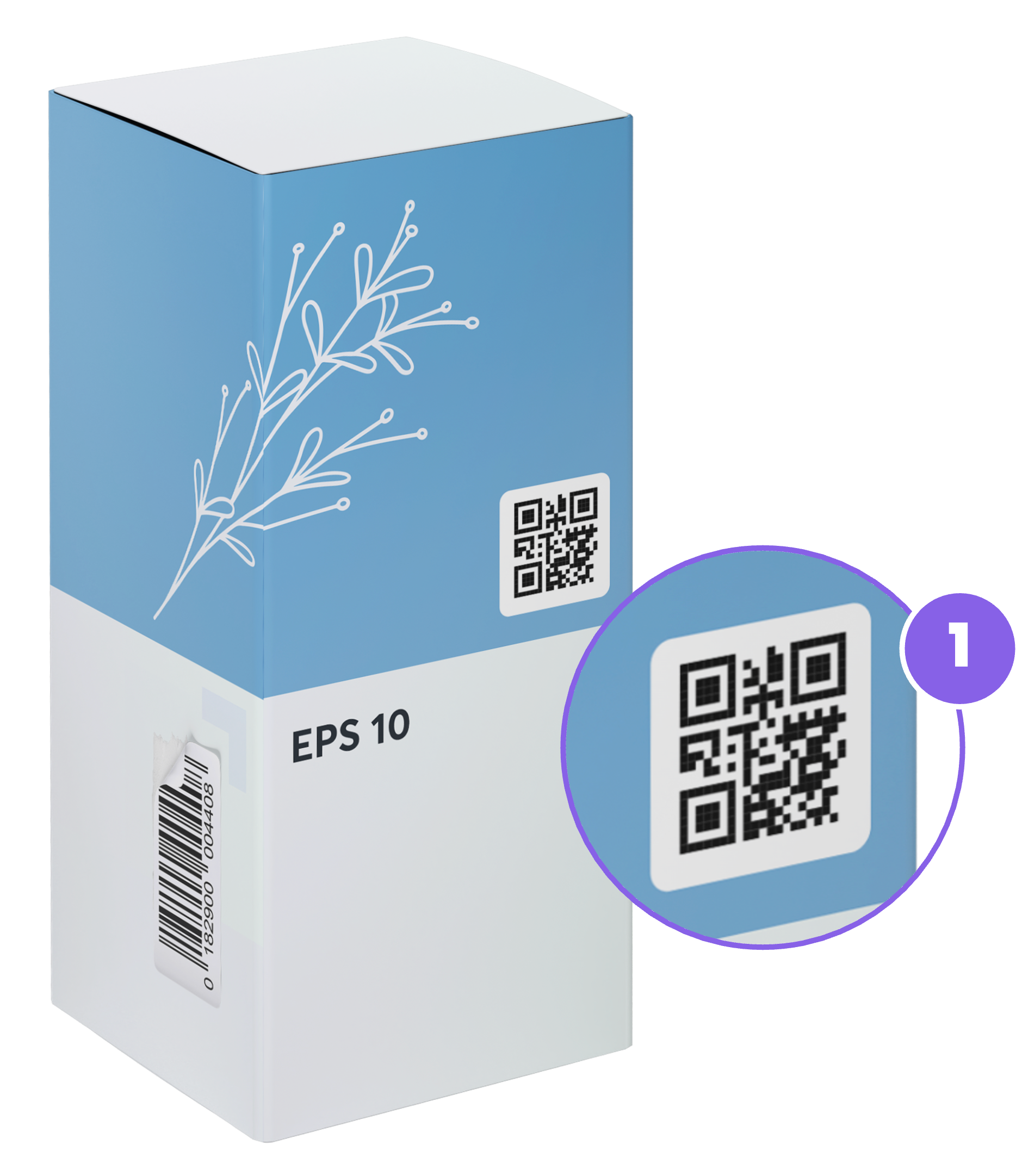
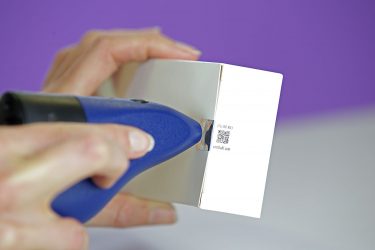
GS1 2D barcodes are a critical enabler of this new ecosystem. Unlike traditional barcodes, they can store and link much richer datasets, allowing products to carry a unique digital identity.
For beauty brands, this unlocks multiple benefits at once. From an operational standpoint, GS1 2D barcodes simplify traceability and improve supply chain visibility. From a regulatory perspective, they support standardized and consistent information sharing across markets. And from a consumer perspective, they enable direct access to trusted content through a simple scan.
Most importantly, GS1 2D barcodes are emerging as a global standard. This interoperability is essential for an industry as international as beauty.
How do these barcodes change the consumer experience?

Camille Diss
They fundamentally change how consumers interact with products. Instead of relying solely on what is printed on the packaging, consumers can instantly access detailed, contextual, and up-to-date information. It creates a more direct and credible relationship between brands and consumers, built on information rather than assumptions.
In categories like beauty, where safety, authenticity, and ethics matter greatly, this level of access can be a real differentiator.
Your third trend focuses on connected packaging. How does this differ from traditional digital packaging?

Camille Diss
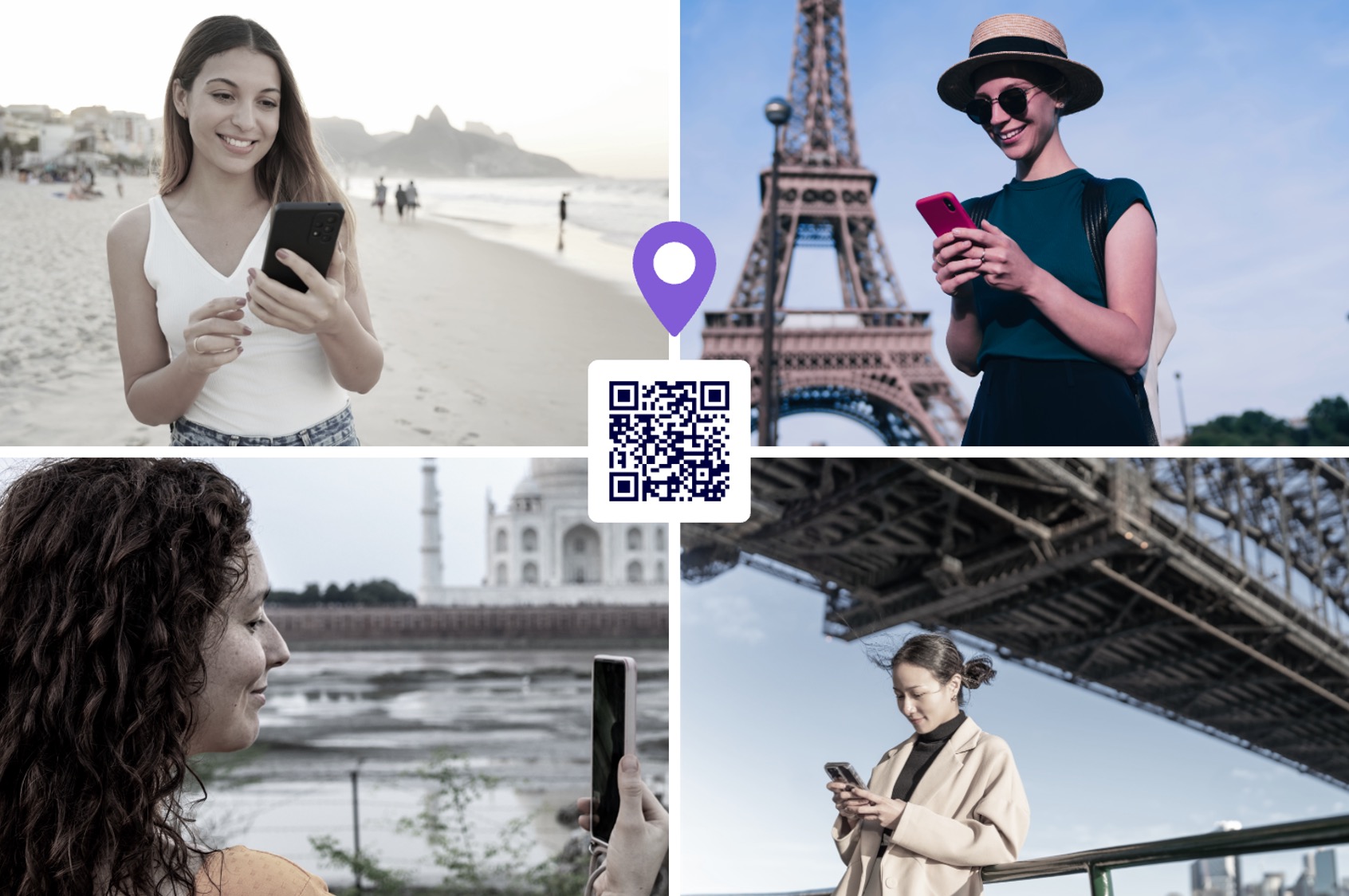
Connected packaging goes beyond simple digital access. It turns packaging into a dynamic, living interface that evolves throughout the product’s lifecycle. By embedding GS1 2D barcodes, brands can manage and update the associated digital content in real time, even after products are on shelves or already in consumers’ hands. This is a major shift from static packaging models.
It allows brands to adapt information by language, geography, regulatory changes, or campaign needs without redesigning or reprinting packaging. This flexibility is becoming essential in a fast-moving, highly regulated industry.
How does connected packaging support regulatory compliance in practical terms?

Camille Diss
Connected packaging enables brands to manage regulatory compliance as structured data rather than as static packaging content. Each product or batch is linked to a digital identity that can support market‑specific requirements such as the Digital Product Passport in Europe, Modernization of Cosmetics Regulation Act (MoCRA) in the US, or Cosmetics Supervision and Administration Regulations (CSAR) in China, without multiplying packaging versions.
Regulatory updates can be handled centrally and dynamically, reducing reprints, recalls, and operational risk. Just as importantly, connected packaging creates a clear audit trail, helping brands demonstrate data integrity, traceability, and compliance readiness at scale.
To conclude, what does all of this mean for the future of the beauty industry?

Camille Diss

We are in a moment where transparency, connectivity, and standardization will define leadership in beauty. Packaging is no longer just about branding, it plays a strategic role in trust, compliance, and engagement.
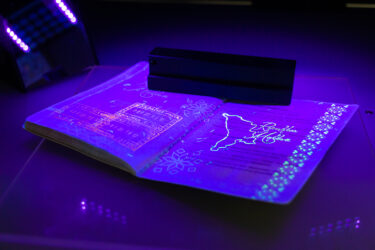
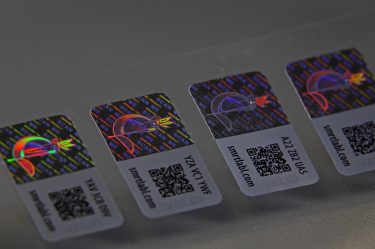
Brands that embrace connected technologies and global standards like GS1 2D barcodes will be better prepared to navigate regulatory change, combat counterfeiting, and meet rising consumer expectations. Those who don’t risk falling behind in an industry that rewards credibility and accountability.
Ultimately, the future of beauty belongs to brands that treat packaging not as a constraint, but as a platform for value, connecting products, data, and people in meaningful ways.