







Seeing Beyond the Surface: How Computer Vision is Powering the Future of Product Authentication
For years, the idea that a machine could “see” and interpret the physical world felt like science fiction. Today, this capability, known as computer vision, is transforming industries, from healthcare and manufacturing to retail and product protection.
Understanding the Technology That Allows Machines to See and Protect Products
For years, the idea that a machine could “see” and interpret the physical world felt like science fiction. Today, this capability, known as computer vision, is transforming industries, from healthcare and manufacturing to retail and product protection.Â
Computer vision refers to the ability of machines to analyze, understand, and act on visual information. If you’ve ever unlocked your phone with your face or watched your car detect a cyclist, you’ve experienced it firsthand. But its real power lies in what happens behind the scenes: sophisticated algorithms that detect patterns, textures, shapes, and anomalies that the human eye might easily miss.Â
As consumer expectations rise, global supply chains become more complex, and counterfeiting grows more sophisticated, computer vision has emerged as a strategic technology for brand security. At EDGYN, we see it as one of the most important enablers of the next generation of product authentication solutions.Â
What is Computer Vision?
Computer vision is a subfield of artificial intelligence (AI) that enables machines to understand and interpret images and videos. In simple terms, it allows computers to “see” the world the way humans do, but with the added ability to analyze details at a scale and speed far beyond human capability.Â
When a human looks at a product, they might notice its color, shape, or branding. A computer, on the other hand, breaks the image down into thousands of elements – edges, pixels, textures, patterns – and uses algorithms to identify what it’s seeing.
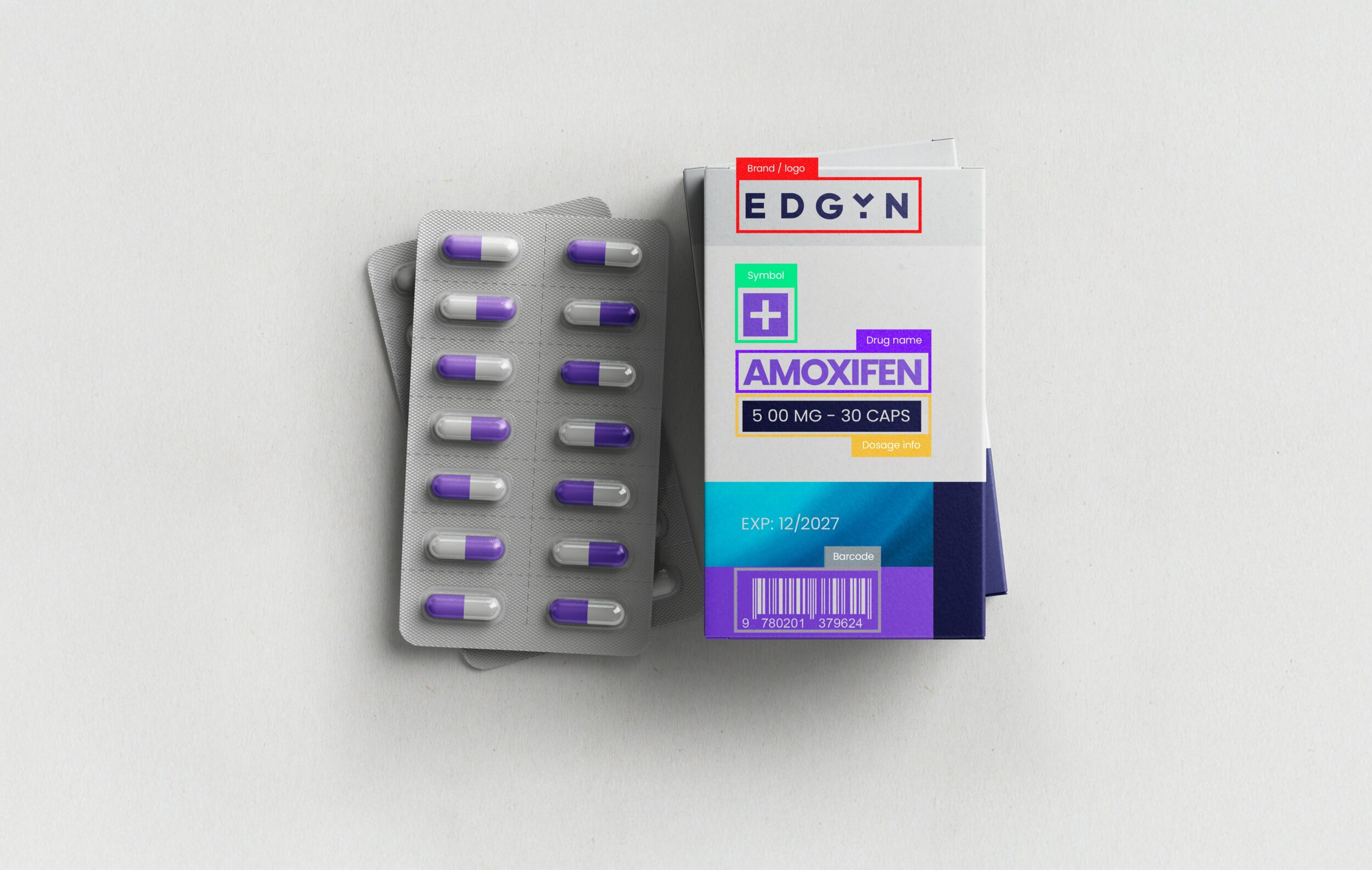
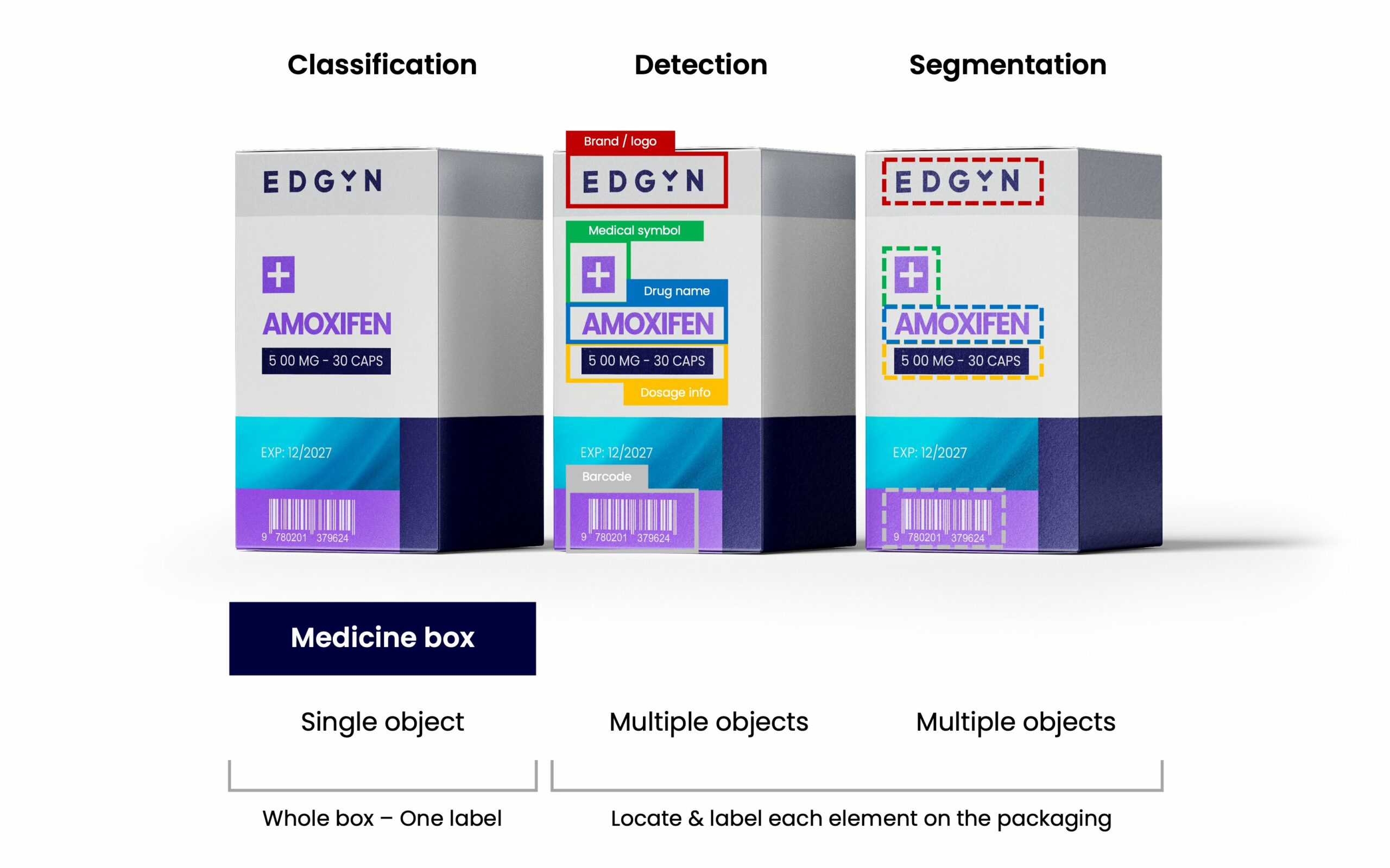
Consider the examples in the illustration below, which highlight some key computer vision tasks:
Classification:
Determining what category an object belongs to. In the first example image, identifying a medicine box and labeling it as such is classification.
Object detection:
Locating multiple objects in an image. In the example, the system detects the brand logo, medical symbol, drug name, dosage info, and barcode.
Segmentation:
Separating an object from its background. Instance segmentation creates a precise pixel‑level outline of each object, offering deeper understanding.
Tracking:
Following an object as it moves through space or across frames.
Anomaly detection:
Identifying when something doesn’t look as expected.
Thanks to recent breakthroughs in AI, machines can now interpret even extremely subtle visual cues. This makes computer vision particularly powerful in fields where precision and reliability are essential, which is the case of product authentication.Â
For product packaging, for example, we can classify and detect objects (logos, images, texts, textures – just like the medicine box in the example) and apply the same principles to determine whether a product is genuine or not.Â
From Vision to Value: How EDGYN Applies AI in Computer Vision
At EDGYN, AI‑driven computer vision plays a central role in our mission to make product authentication seamless, reliable, and secure. Over the past several years, we have continuously trained, refined, and strengthened our systems. Today, computer vision supports three major areas of value:

Detecting counterfeiting attacks on labels
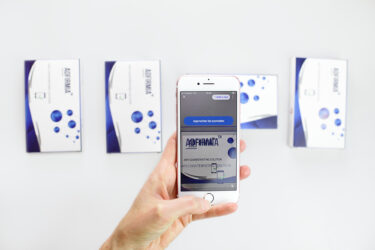
When counterfeiters attempt to remove, scratch, or transfer security codes, micro alterations occur. AI detects these tiny irregularities, tears, distortions, or residue, that a non-expert human eye would miss.Â

Identifying fully counterfeited products
Beyond labels, our systems can analyze the entire product or packaging. Inconsistencies in shape, material, or printing allow us to detect high-quality fakes.Â

Improving image quality detection
AI automates quality assessment, enabling real-time detection of defects, blurriness, or poor lighting conditions for improved accuracy.Â
Computer Vision & the Future of Authentication Technologies
As counterfeiters become more sophisticated, the technologies protecting brands and products must evolve even faster. With powerful progress in object tracking, classification, segmentation, and anomaly detection, computer vision is reshaping the future of authentication.Â
At EDGYN, we are committed to leveraging these advancements to secure products today and anticipate the challenges of tomorrow. This means continuously training and improving our models, but also collaborating with universities, research institutes, and consulting firms to access the latest developments in AI and computer vision. These partnerships accelerate our innovation cycle and keep us aligned with the most advanced scientific breakthroughs.Â
In a world where trust is one of a brand’s most valuable assets, computer vision has become a key element of modern authentication. It enables brands to see what the human eye cannot, uncover what counterfeiters try to hide, and deliver certainty in every product interaction.
CONTACT US
Want to Strengthen Your Brand’s Protection Against Counterfeits?
At EDGYN, we combine advanced AI with decades of authentication expertise to help brands stay ahead of counterfeiting threats.
Contact us to explore how our authentication technologies can support your brand.