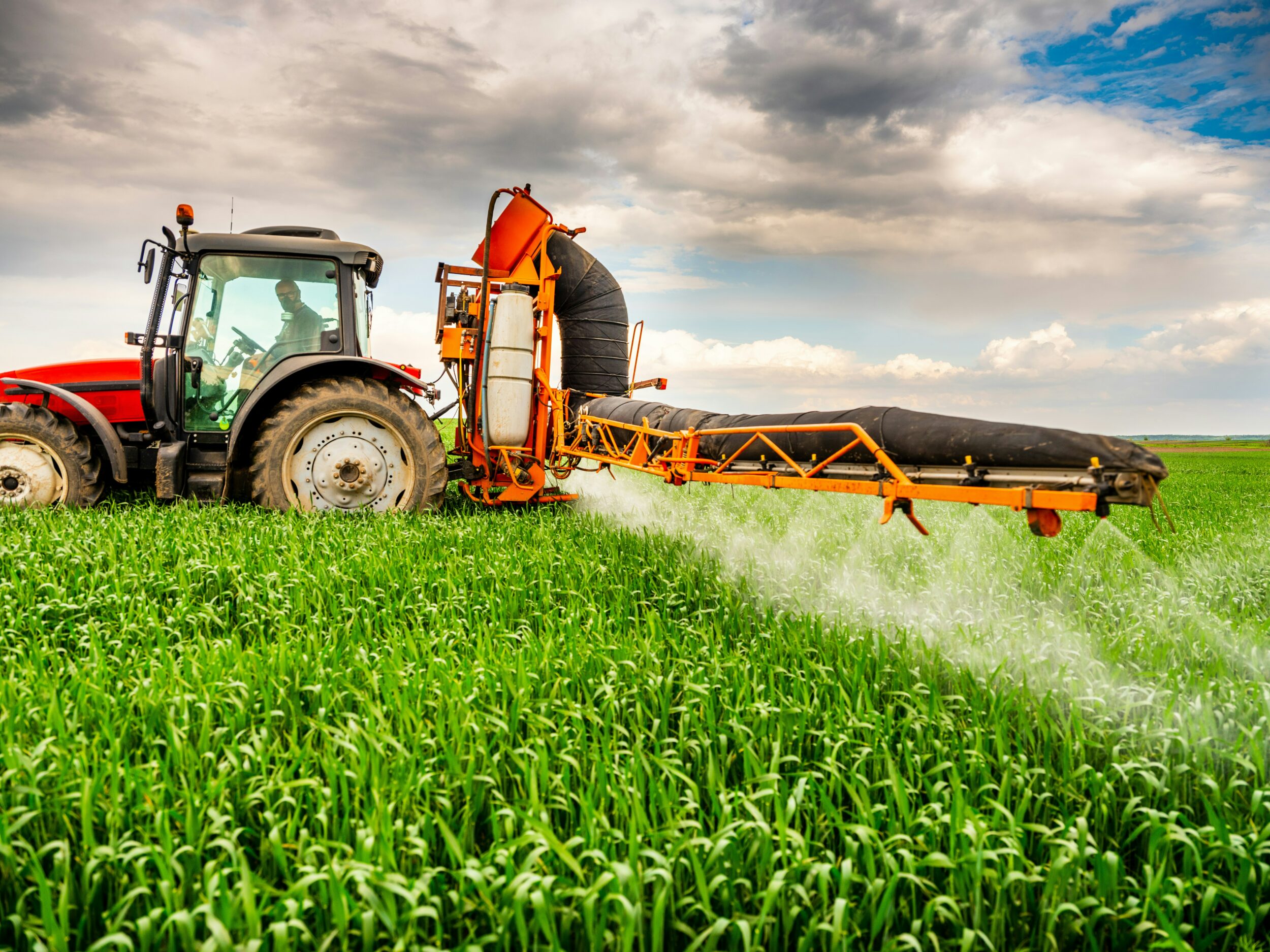







In 2021, farmers across Mali bought what looked like legitimate glyphosate herbicide from their usual retailers1. The packaging seemed authentic, and prices were reasonable. But when researchers tested 100 samples from various stores, they found that 45% were fake, often containing far less active ingredient than the label claimed.

The impact went beyond crop losses. Fake products create resistant weeds, destroy the environment, and damage trust in legitimate brands. That same year in India2, thousands of cotton farmers bought counterfeit seeds, leading to widespread crop failures and financial ruin.

In Europe, numbers from the EU reveal the enormous scale of the problem.3

€1.3B in lost sales annually
13.8% of legitimate revenues lost each year

11,700 total jobs lost (including related industries)
€238M in lost government tax revenue

Why Counterfeits Thrive: A Threefold Complexity Problem

  • 1. Modern agrochemical portfolios are vast and diverse

    A single manufacturer might produce hundreds of SKUs across multiple formulations, each requiring different packaging formats from small sachets for smallholder farmers to bulk containers for commercial operations. This diversity creates countless entry points for counterfeiters who can target any product in any market, exploiting the most vulnerable points in the portfolio.

  • 2. Agrochemical supply chains are complex

    Agrochemical supply chains are complex, spanning continents and involving up to 25 different entities from manufacturing facilities to regional distributors, local retailers, and ultimately farmers. Each transition represents an opportunity for illicit products to enter the stream or for genuine products to be diverted to unauthorized markets.

  • 3. Packaging complexity

    The packaging itself must perform under extreme conditions - UV exposure, moisture, temperature fluctuations, and chemical residues. Traditional brand protection measures like basic holograms often fail in these harsh environments and can be easily replicated by sophisticated counterfeiters.

  • The question facing agrochemical manufacturers is no longer whether to invest in brand protection and traceability, but how to implement solutions sophisticated enough to match the scale and complexity of modern global distribution.

The Role of Digital Technologies

Digital technologies are transforming how the industry fights back. The OECD recognizes that modern authentication and traceability tools are essential to stopping counterfeit pesticides4.

Modern brand protection solutions must deliver specific capabilities adapted to agrochemical realities:

  • Authenticate at every level: Farmers, distributors, inspectors, and customs officials all need ways to verify products instantly. Solutions can’t require expensive equipment or technical training. A smartphone scan should answer the question: “Is this real?”

  • Survive the real world: Agrochemical packaging faces brutal conditions, tropical heat, freezing cold, UV exposure, moisture, and chemical residue. Security features that fade, peel, or fail within weeks are useless. Protection must last from factory to field, sometimes for years.

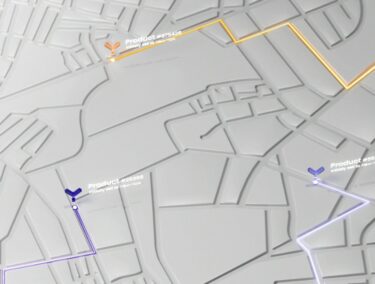
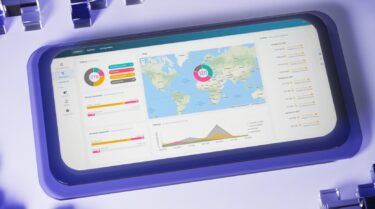
  • Provide real-time data: When a suspicious product appears in Kenya, you need to know within hours, not months. Modern systems should track where products are being scanned, authentication success rates, geographic patterns, and potential diversion routes.

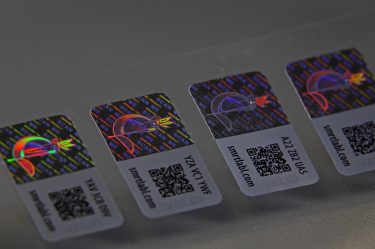
  • Deploy multiple layers of security: Modern protection needs multiple layers – visible features for quick checks, hidden elements for deeper verification, and digital authentication that’s nearly impossible to replicate.


Why EDGYN Gets It

At EDGYN, we understand the realities of the agrochemical industry.

That’s why our solutions combine multiple protection layers, designed for every stakeholder across the agrochemical value chain:

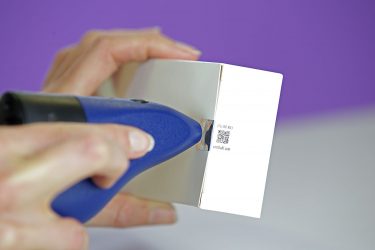
  • Smartphone-based authentication that anyone with a smartphone can use to verify a product instantly.
  • Traceability software that tells where and when products are scanned and identifies hotspots of counterfeit activity and diversion routes.

Agrochemical companies aren’t just protecting revenue. They are protecting farmers, preserving trust with their customers, and, most importantly, safeguarding global food security. With solutions built specifically for agrochemical challenges, EDGYN helps ensure that authenticity, trust, and safety stay intact at every step of the supply chain.

CONTACT US

Ready to protect your brand and your farmers?

Let's talk about solutions built for your specific challenges.